
From Sketches to Carnival of Cultures
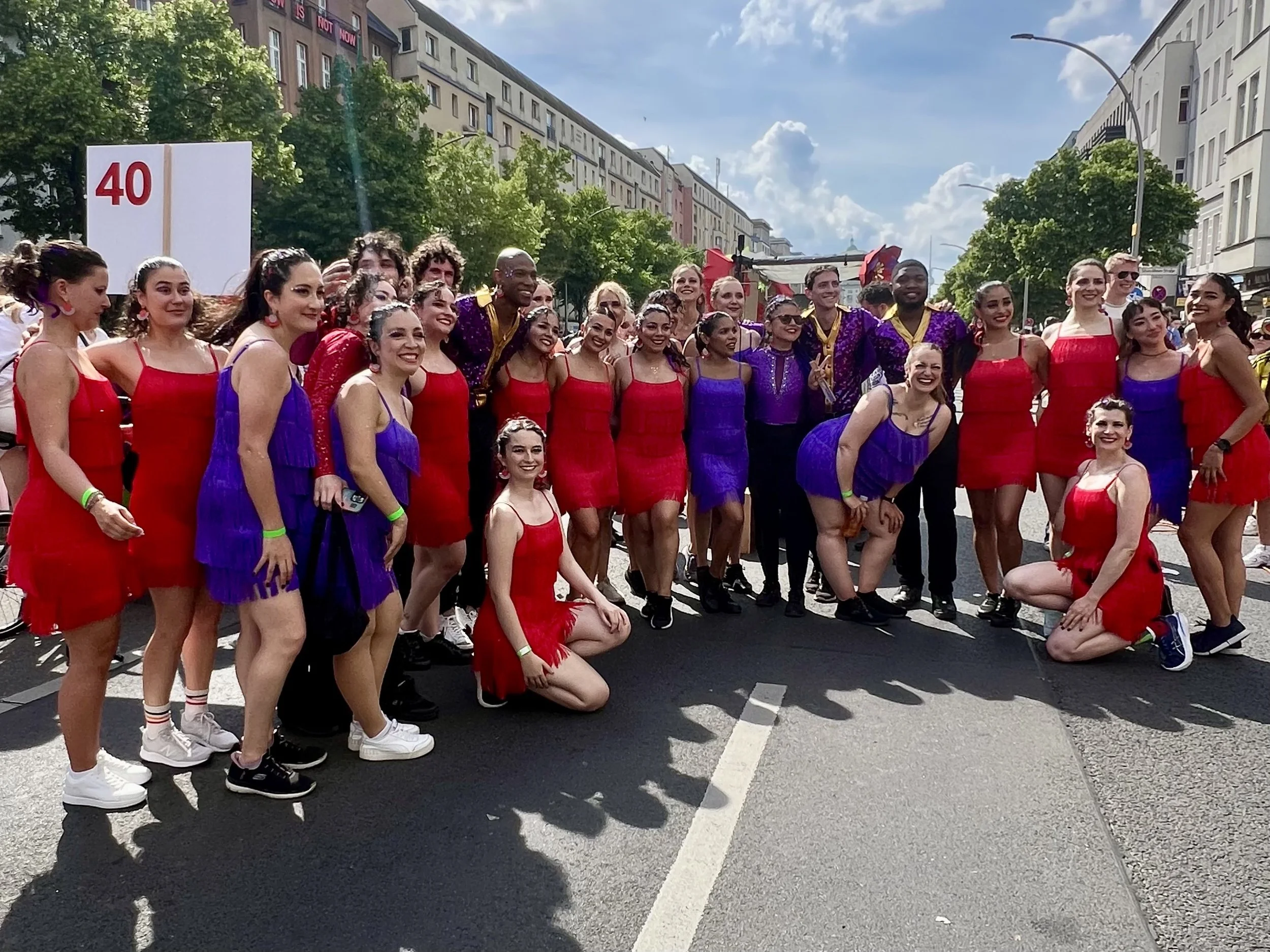
Mi Cali Berlin — KdK 2026
It all started in a pretty unexpected way.
During a creative workshop for a friend’s birthday, she and her friends started talking about their preparations for Karneval der Kulturen — rehearsals, costumes and a performance inspired by La Negra Casilda.
That’s when I realized that the people I was sharing this space with were all connected through dance, Colombian rhythms, salsa caleña and a group that would soon represent Colombia at Carnival of Cultures in Berlin: @MiCaliBerlin.
The conversation started to shape some ideas.
A few days later, we met with our friend again to learn more about the concept behind the performance and almost immediately felt the desire to become part of the project in some way. That’s how the idea of designing a series of custom earrings for the group was born — a way for us to collaborate through our craft to a story about strength, movement and Afro-Colombian roots.
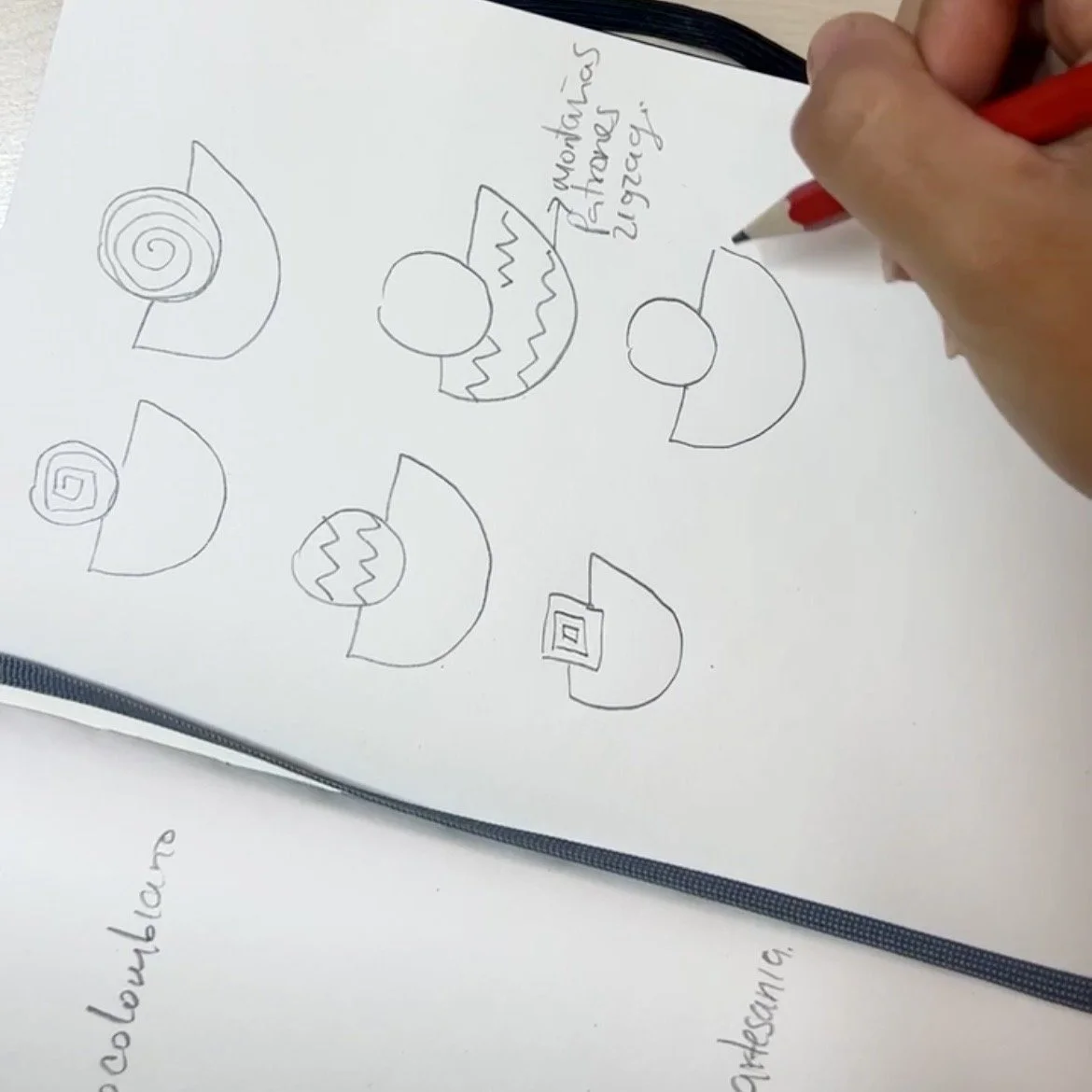
Everything happened very quickly.
In less than three weeks, we had to design, prototype and produce more than 80 pieces for a group of over 40 people. It was exciting, but also challenging, especially because we wanted the pieces to do more than simply look beautiful — we wanted them to carry part of the story behind the performance.
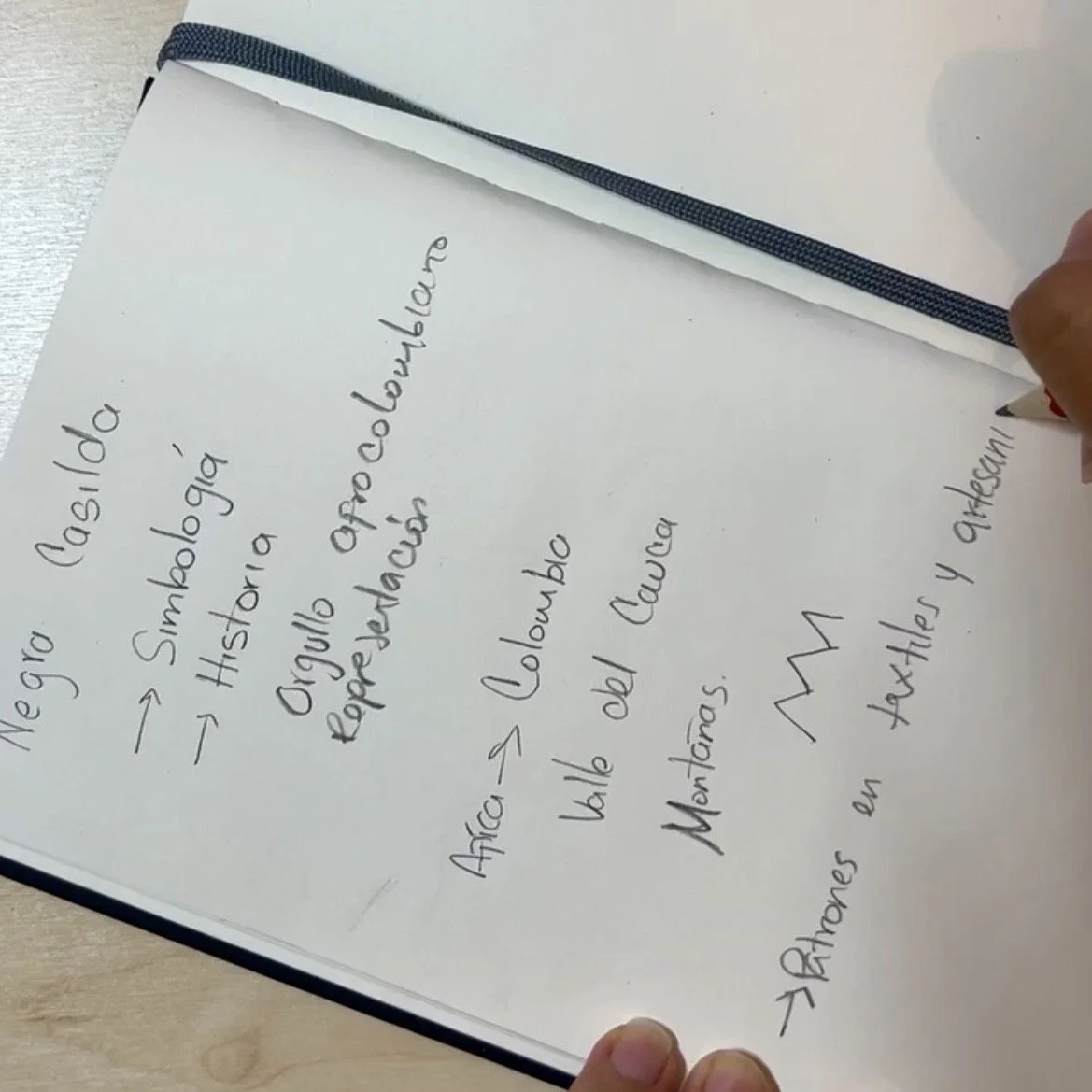
The concept of La Negra Casilda pays tribute to a figure deeply connected to resistance, freedom and Afro-Colombian cultural memory. From there, we started building the visual language of the earrings.
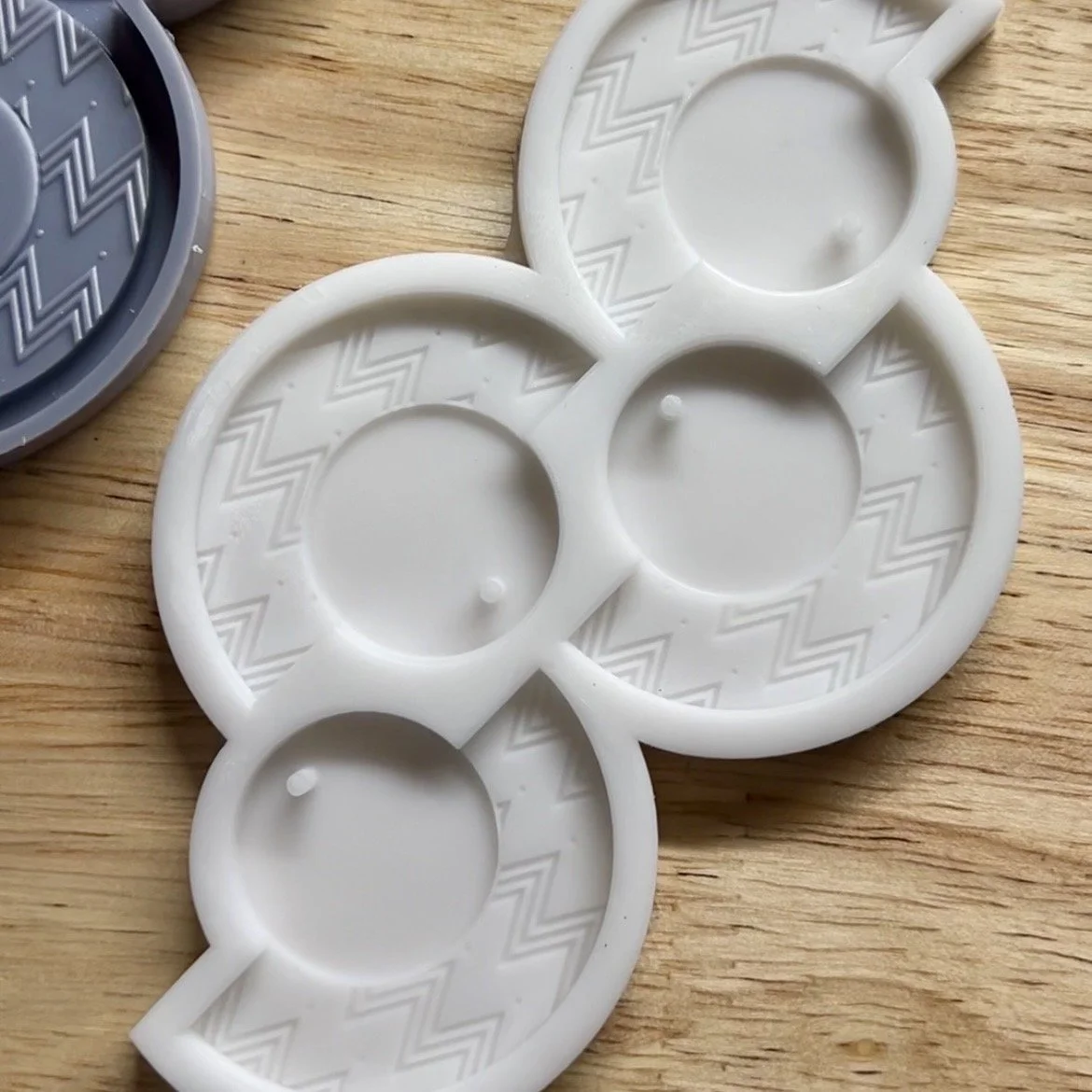
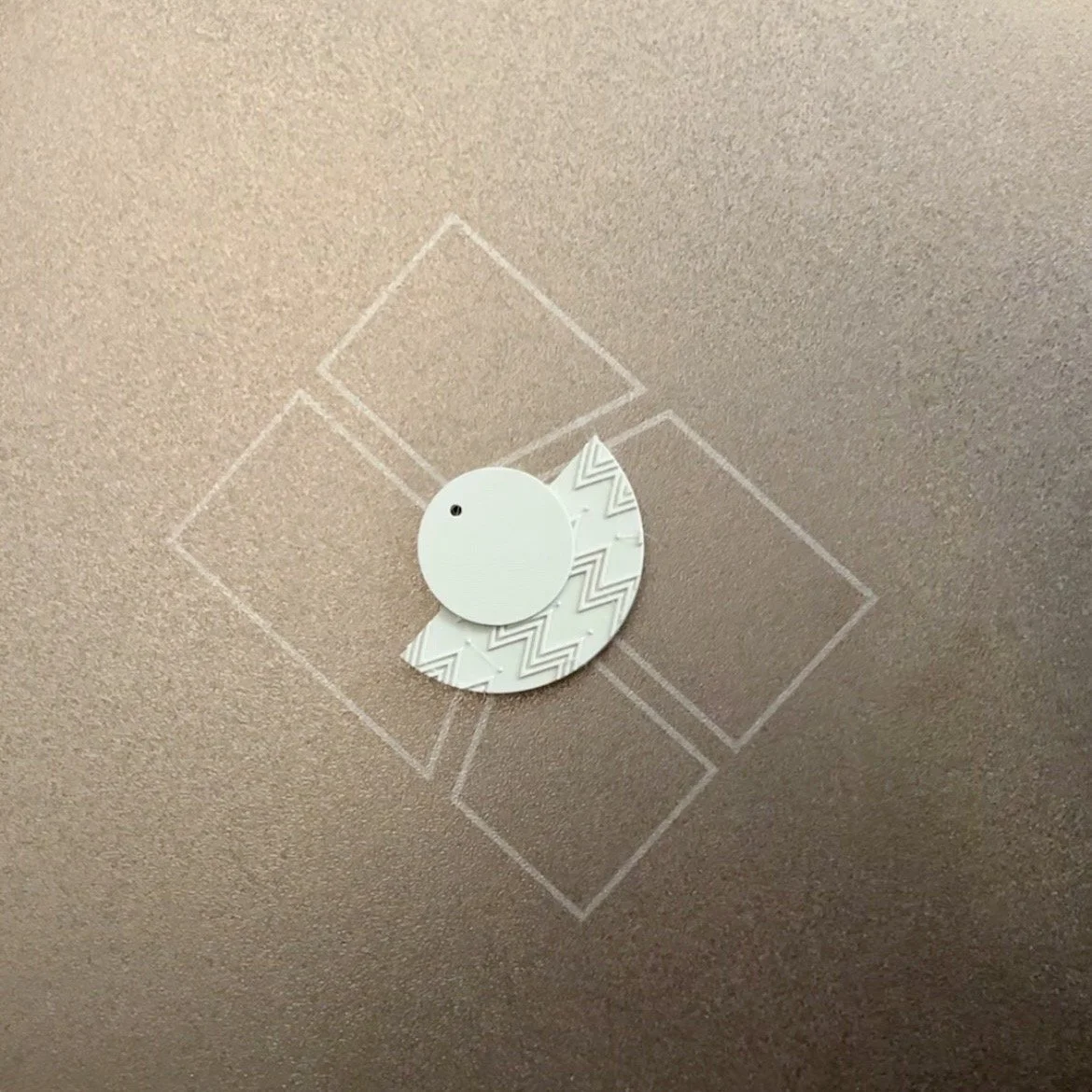
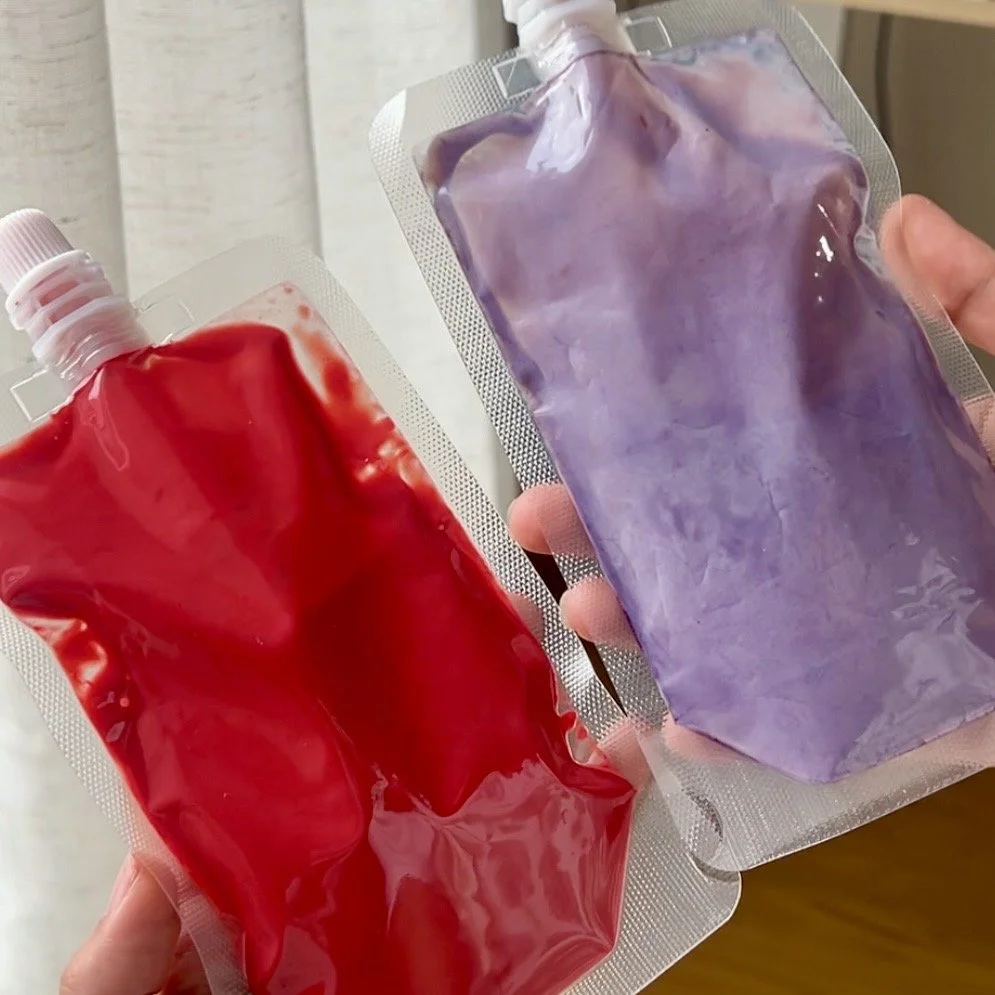
We worked with the main costume colors — red and purple — but intentionally avoided monochromatic pieces. Instead, we combined both tones to create more movement, contrast and dynamism while dancing.
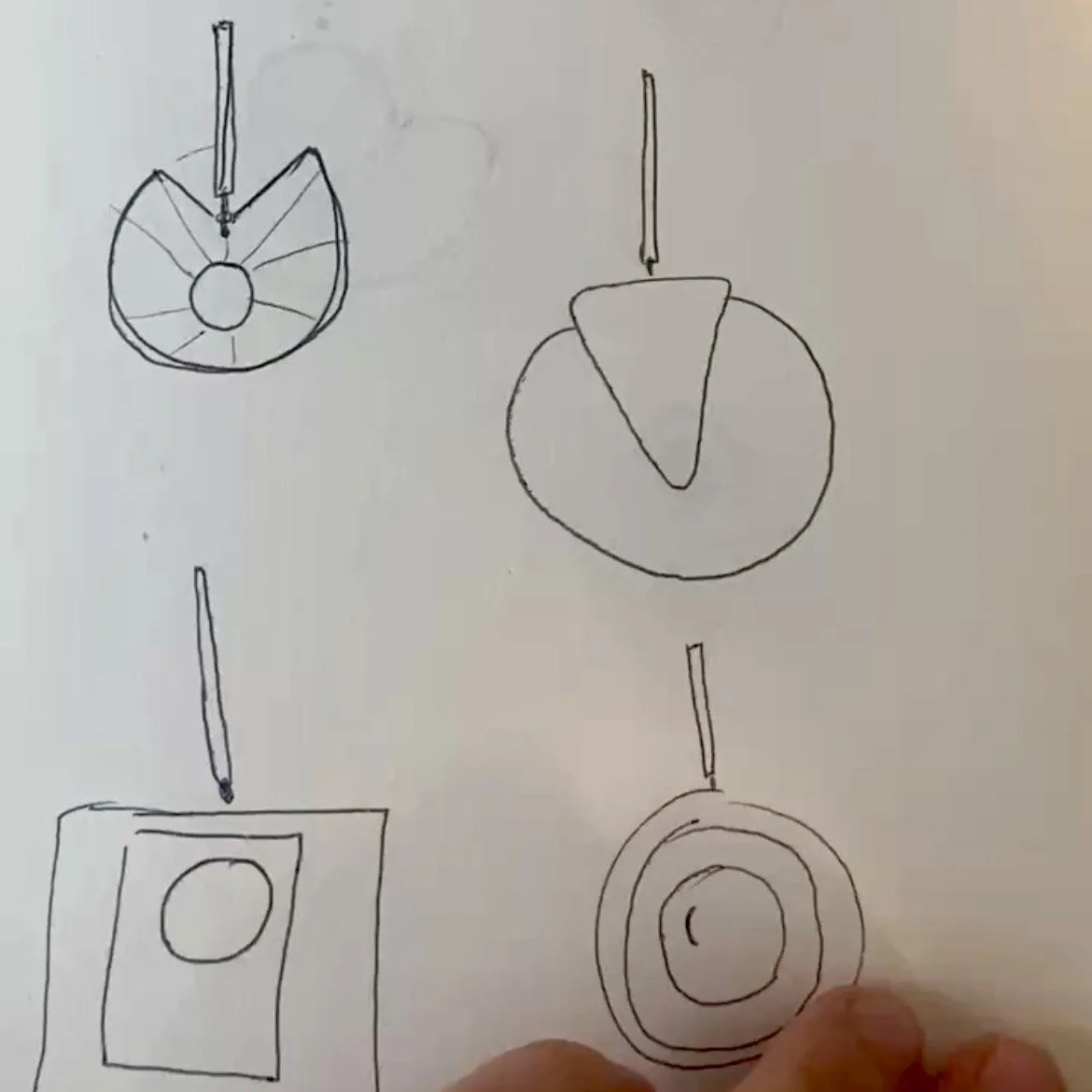
We also explored simple geometric shapes that could withstand constant movement while still maintaining a strong presence on stage. Most of the final pieces were built around circles and semicircles, combined with two different types of earring attachments: one shorter and more classic, and another longer version designed to create even more movement while performing.
But probably the most important detail became the texture.
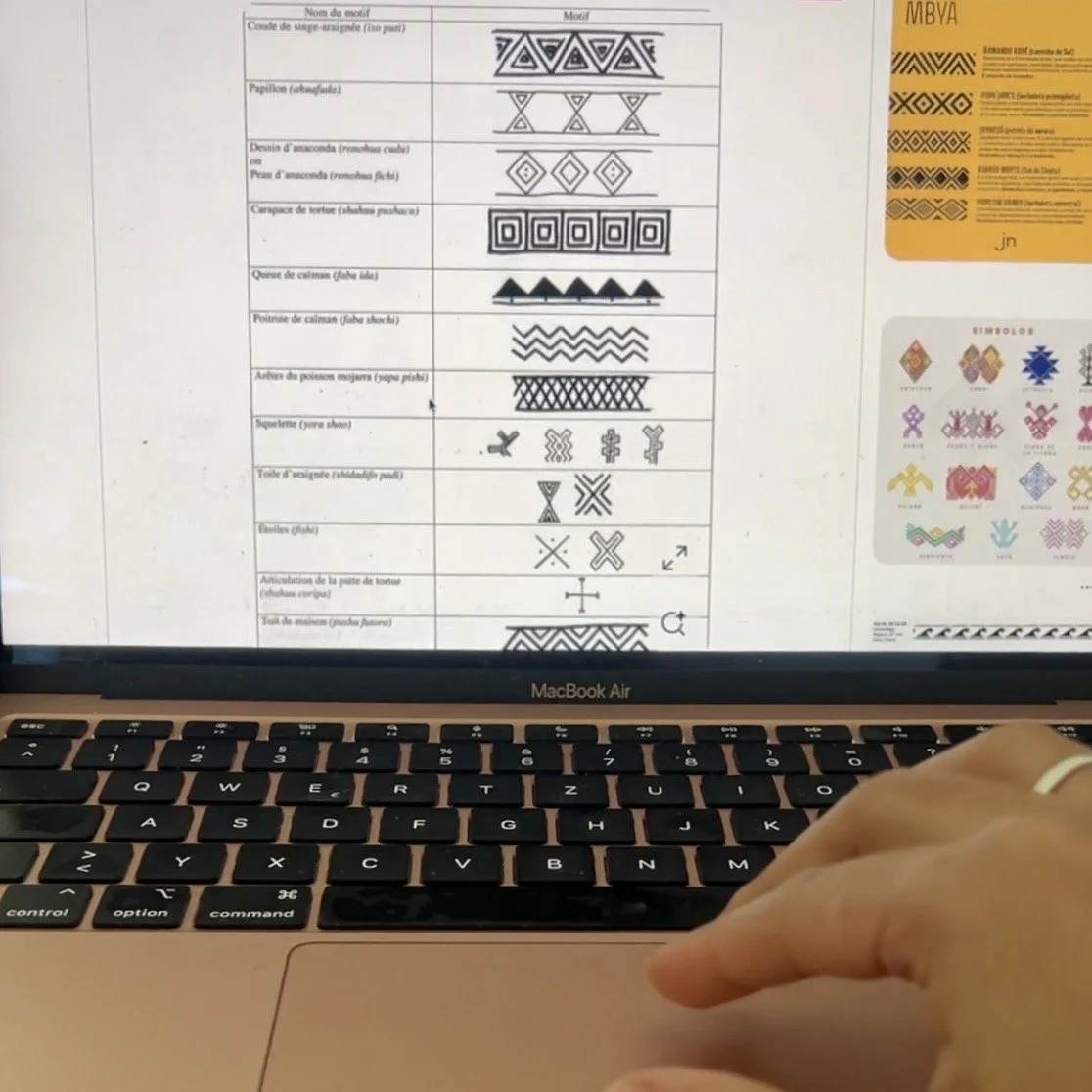
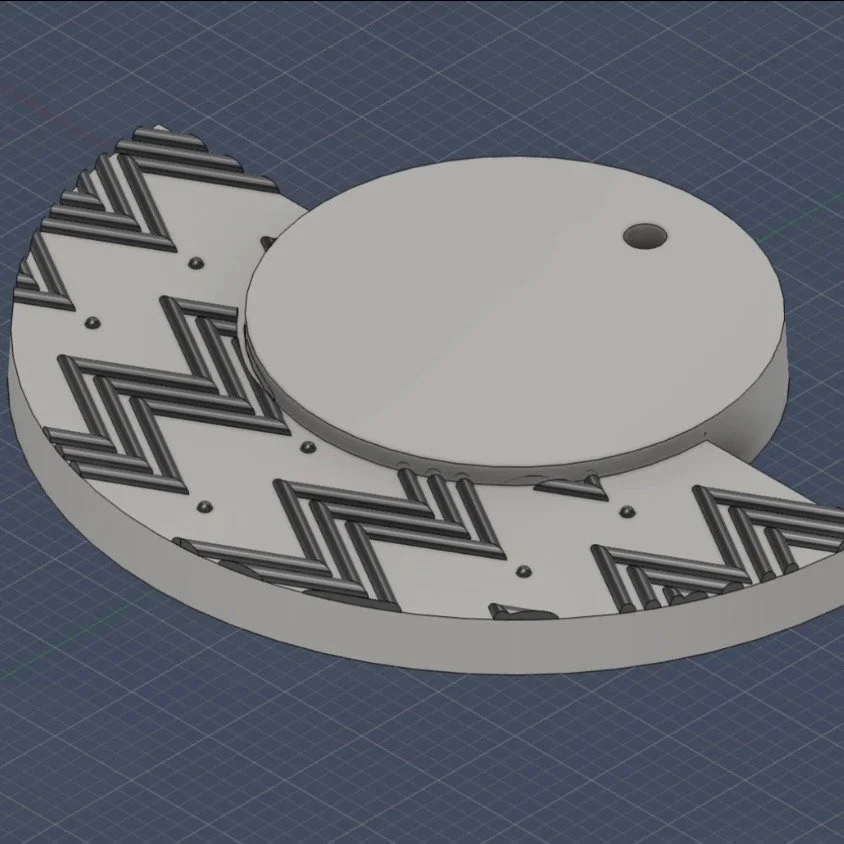
We wanted to incorporate something quieter — an element that wouldn’t immediately stand out, but would reveal another layer of the story up close. We designed an engraved pattern inspired by geometric motifs often found in both Colombian and African textiles and crafts: zigzags, repetitions, dots and shapes that could also resemble mountains and pathways.
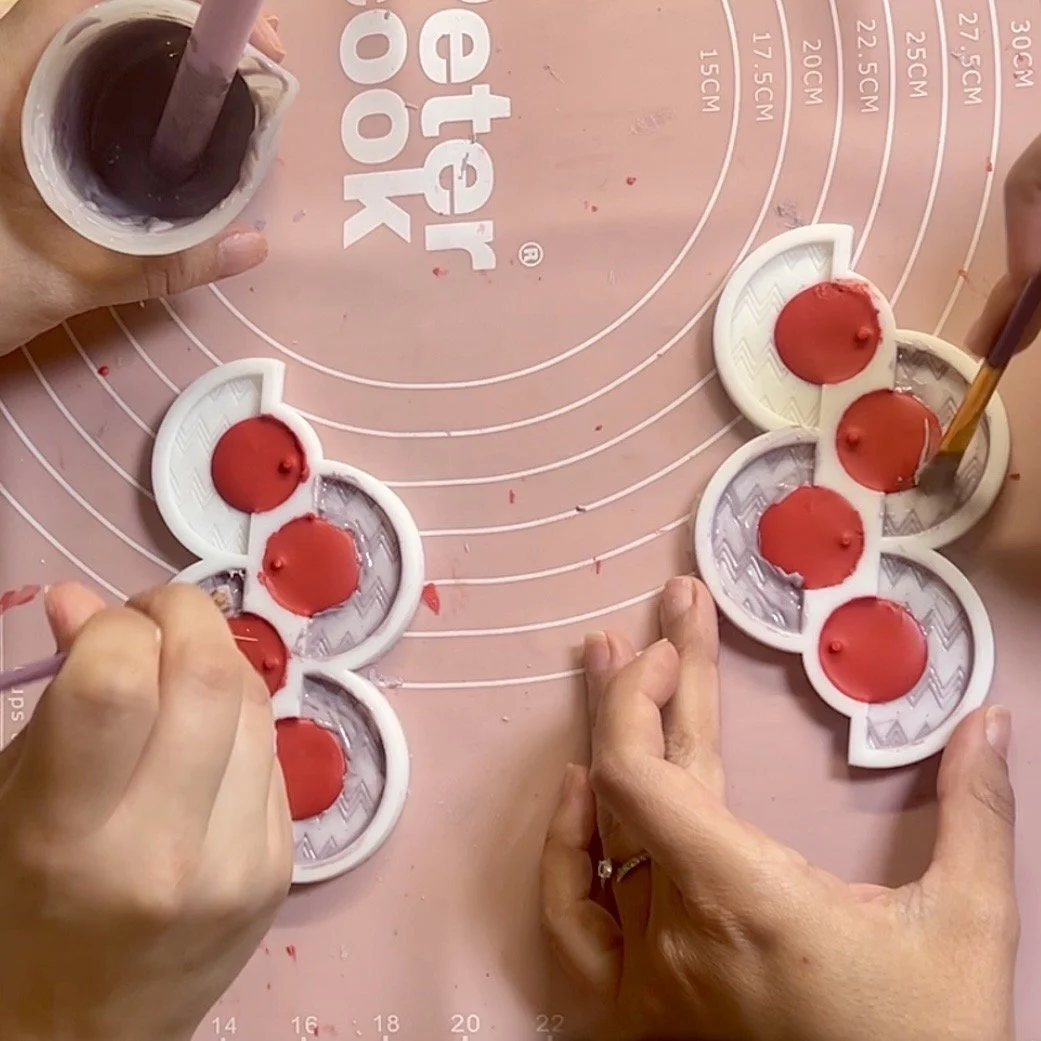
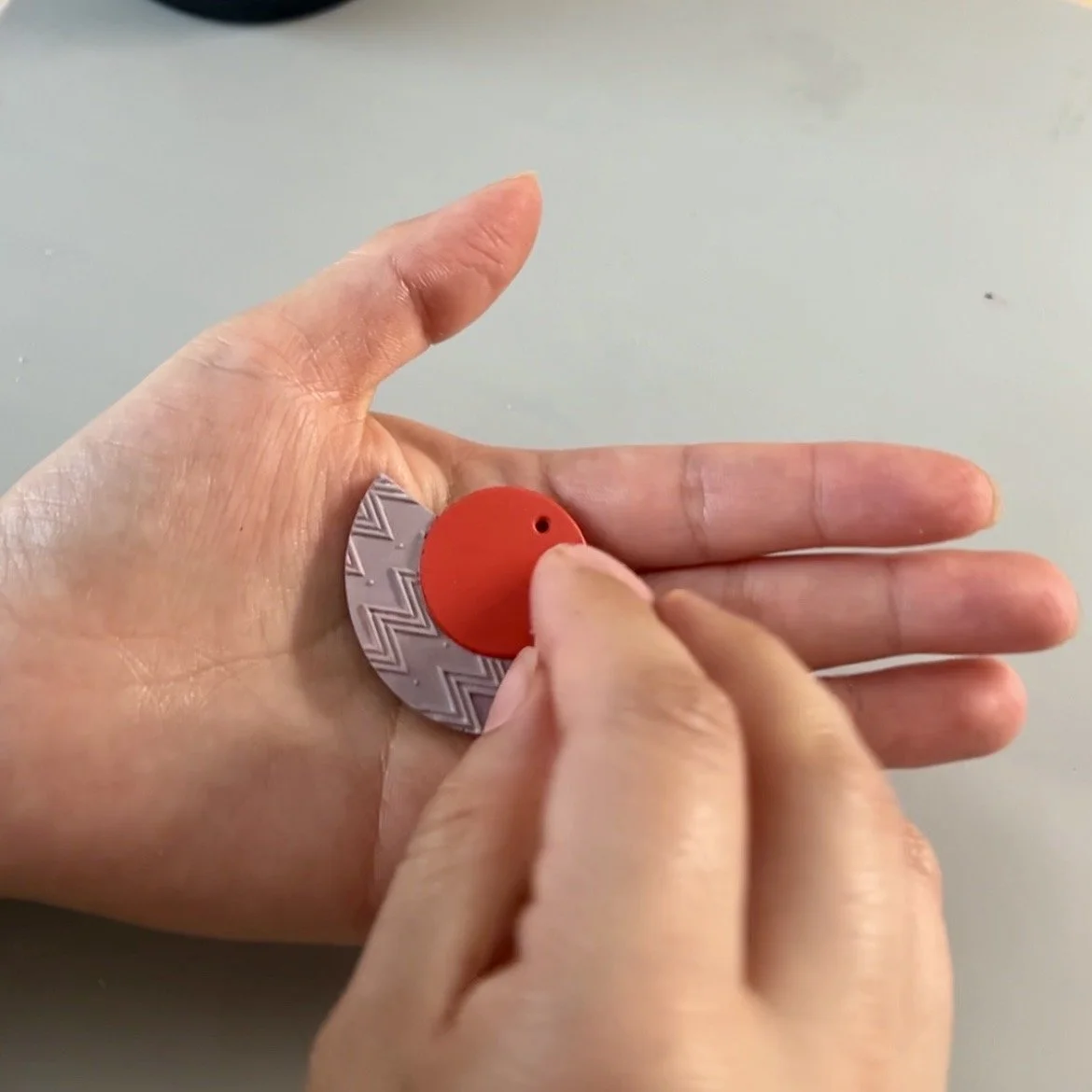
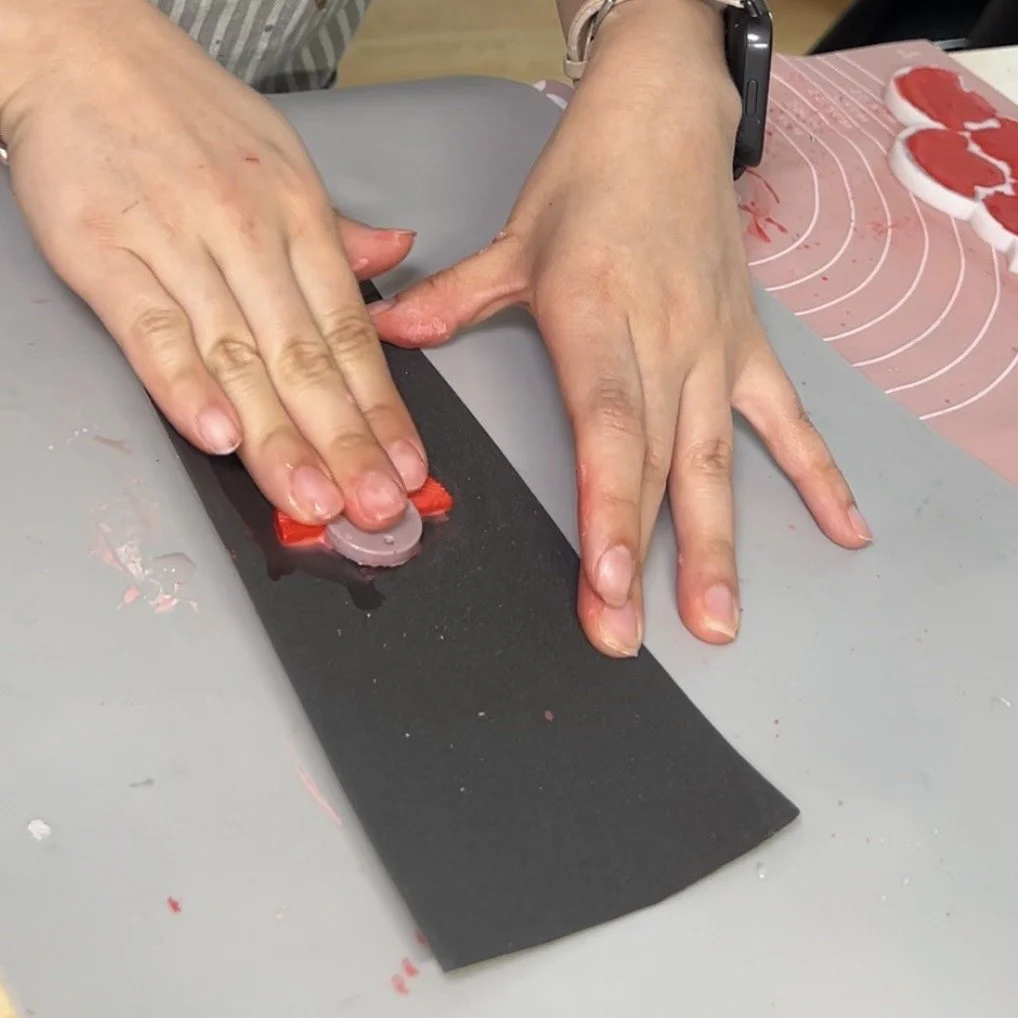
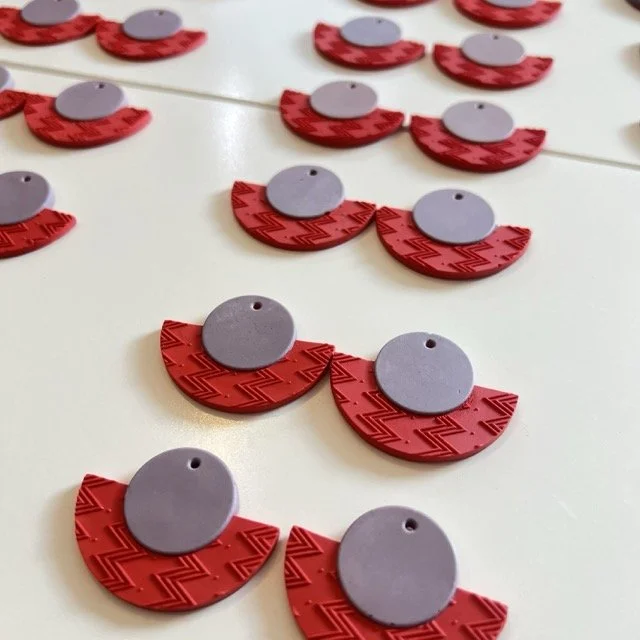
Achieving that level of detail on such small pieces required exploration, testing and a lot of trial and error — all within a very short timeline. We just knew from the beginning that texture had to become an essential part of the design.
Throughout the process, we went through multiple color tests, prints and molds to find a combination that truly worked both visually and technically. We also had to solve something completely new for us: creating clip-on versions for dancers without piercings. Even though we had never worked with this type of of clip-on attachment before, it was important that every single person in the group could wear and feel part of the project.
And honestly, a big part of the process also came with uncertainty.
Would the molds capture the textures properly? Would the colors feel right? Would the pieces survive rehearsals, movement, long hours of dancing and the streets of Carnival itself?
Little by little, though, everything started taking shape.
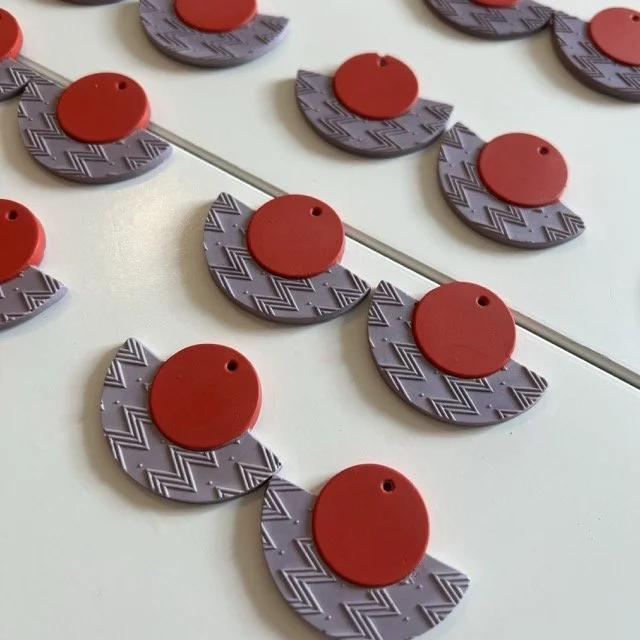
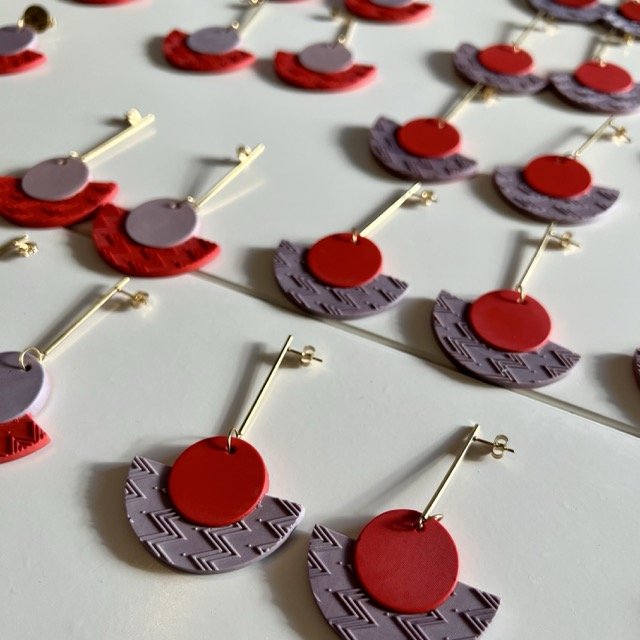
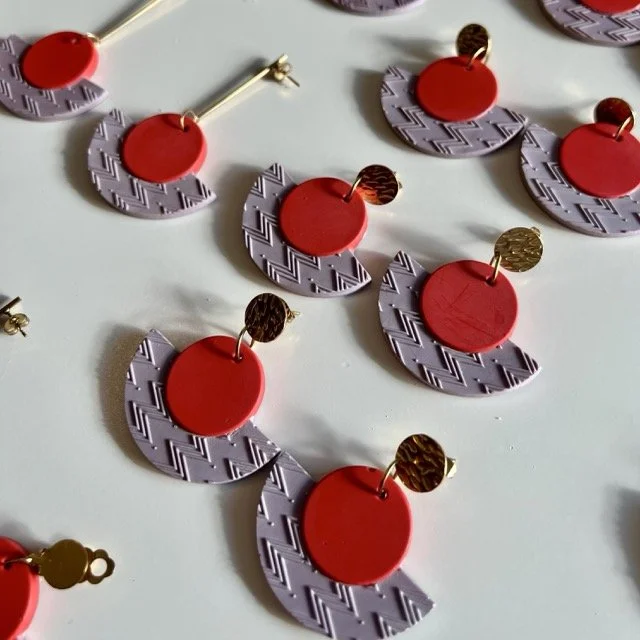
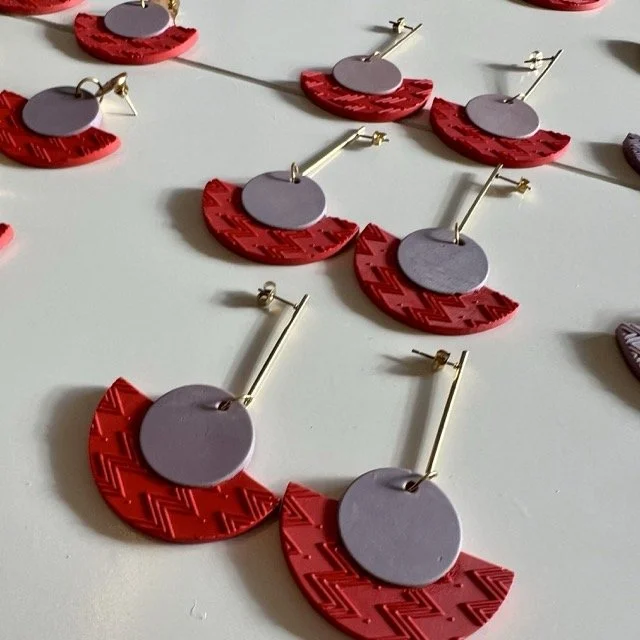
First came the printed prototype. Then the first real pieces. Then tables completely covered in shades of red and lilac, sanding, assembling and production.
And finally, rehearsal day arrived.
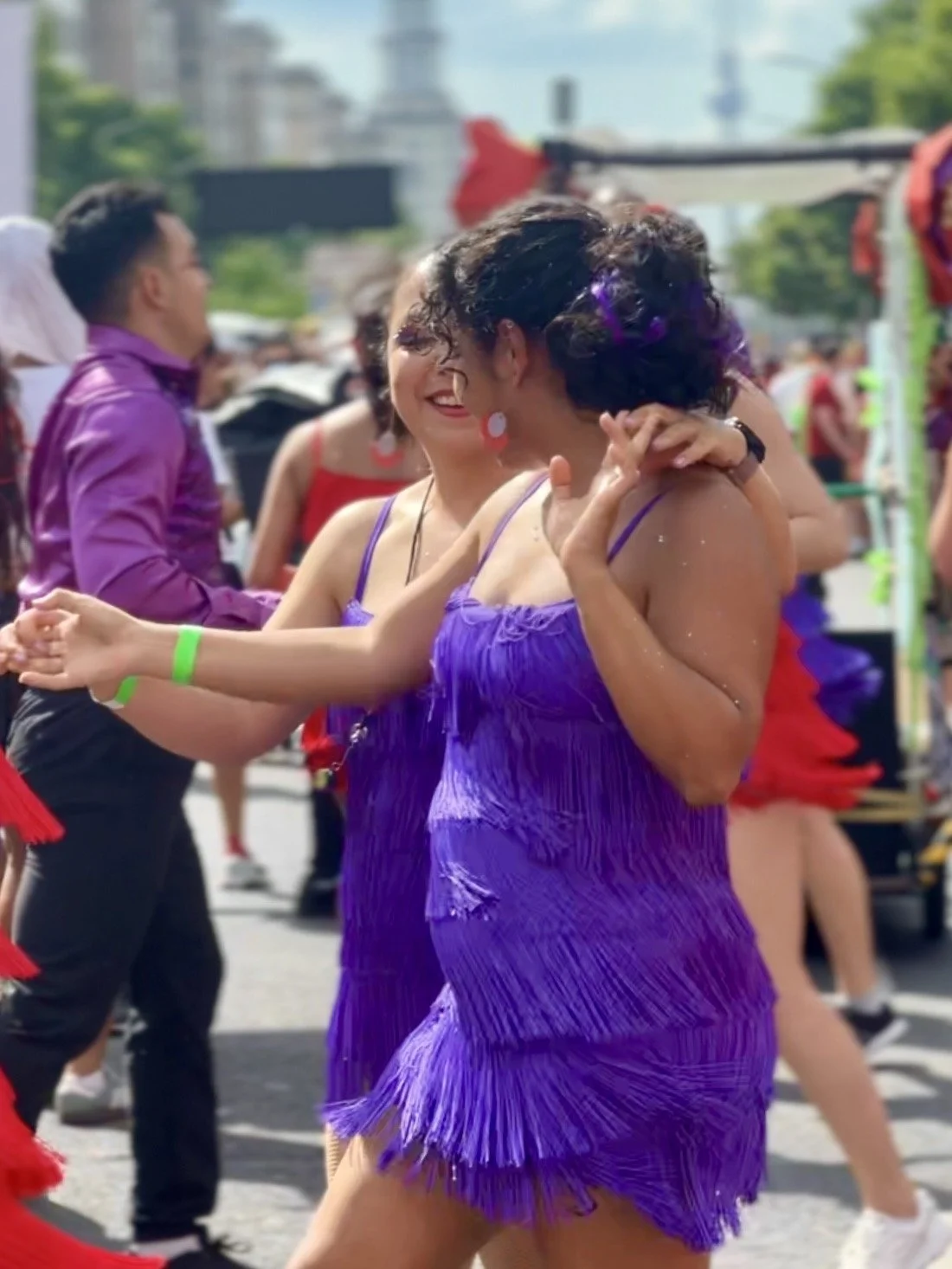
Watching the group try on the earrings for the first time was one of those moments that’s difficult to explain. After weeks of seeing the pieces only in our workspace, they suddenly came to life through movement, music and dance.
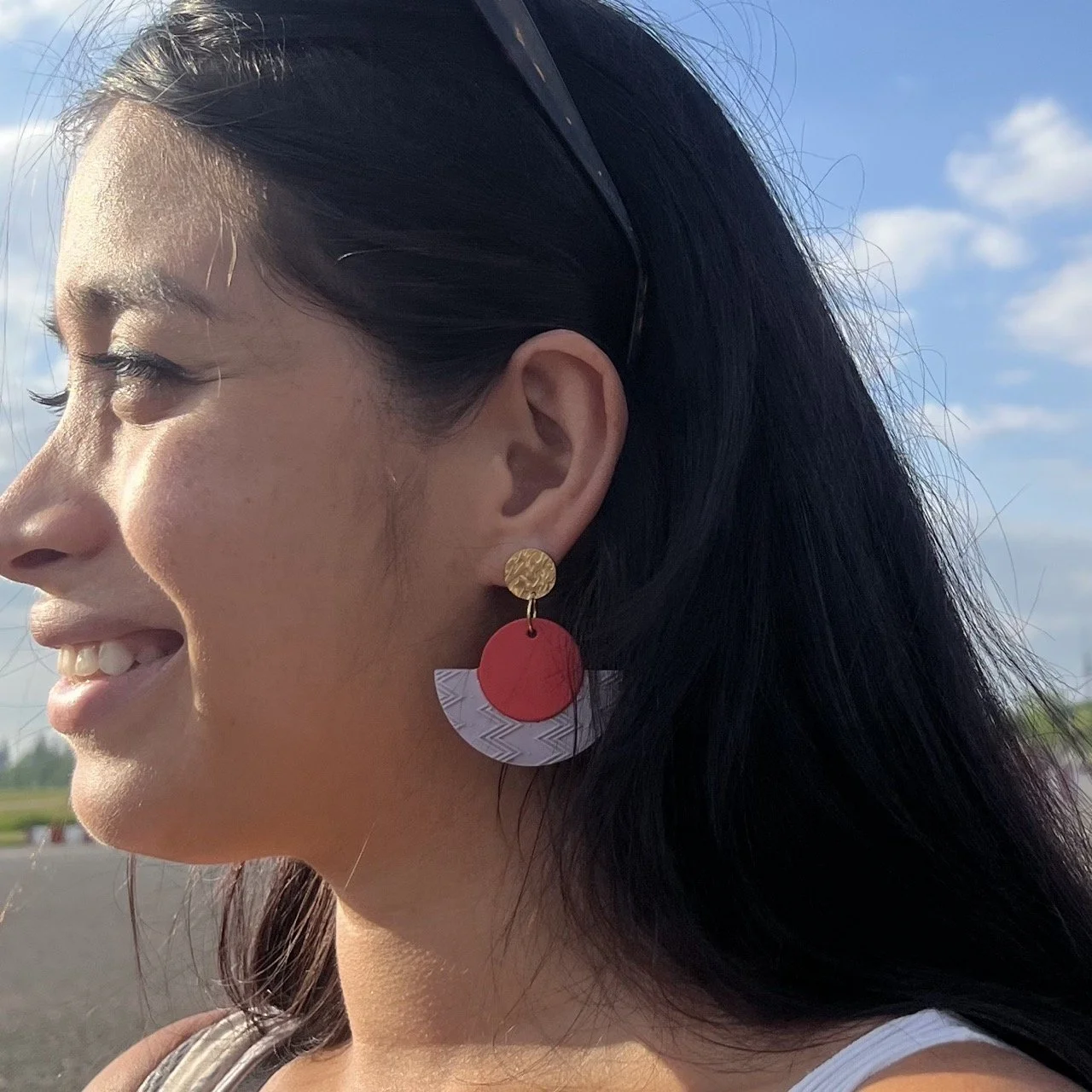
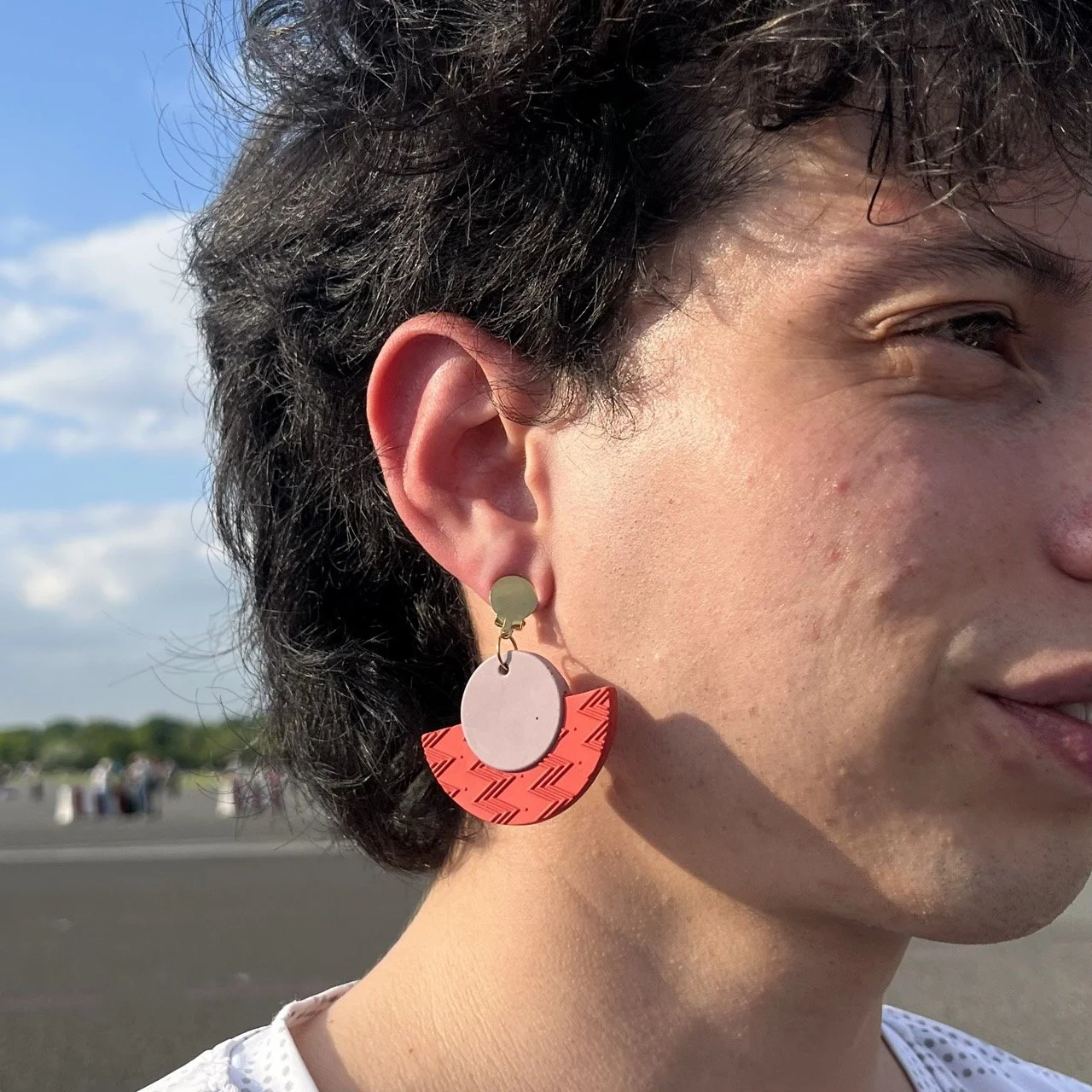
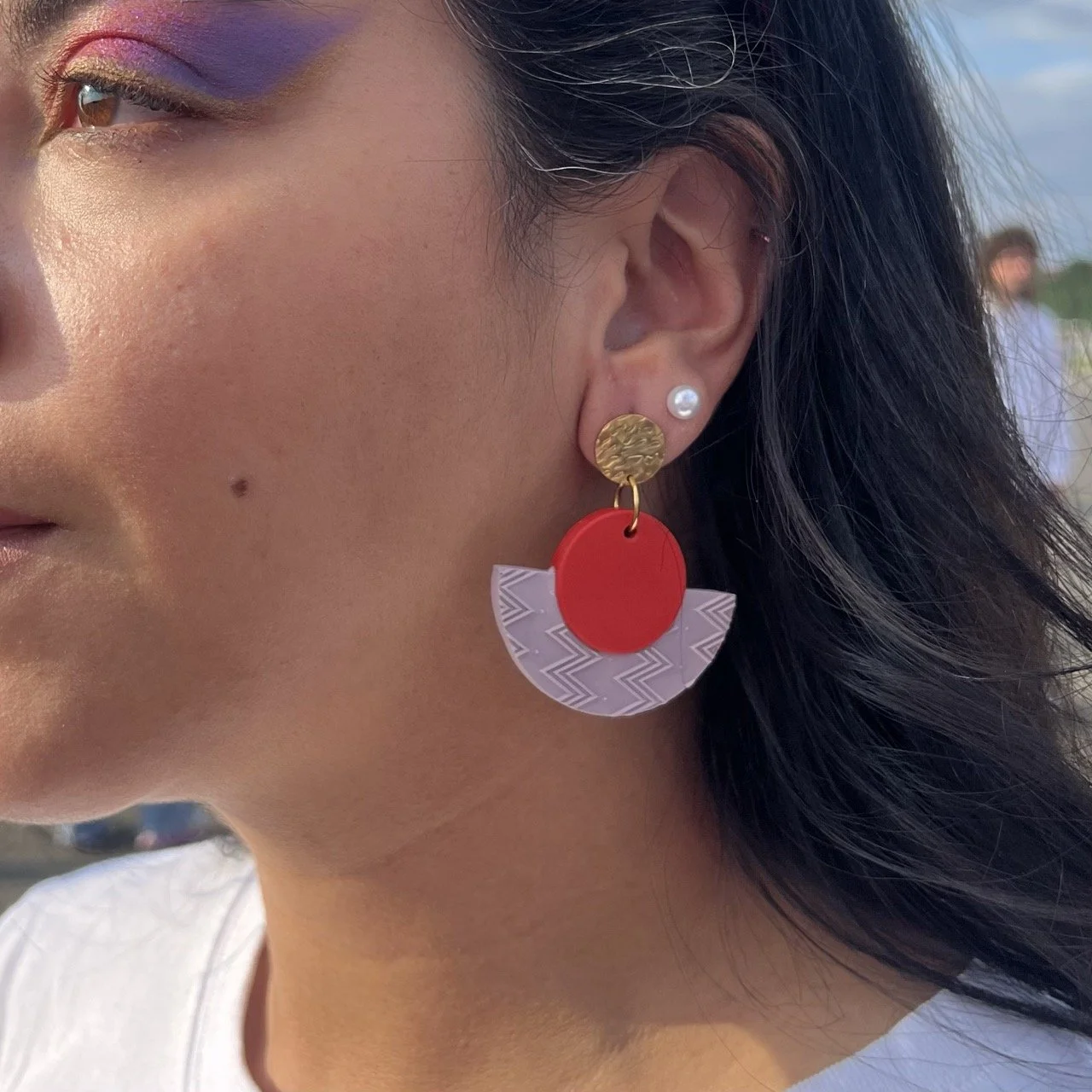
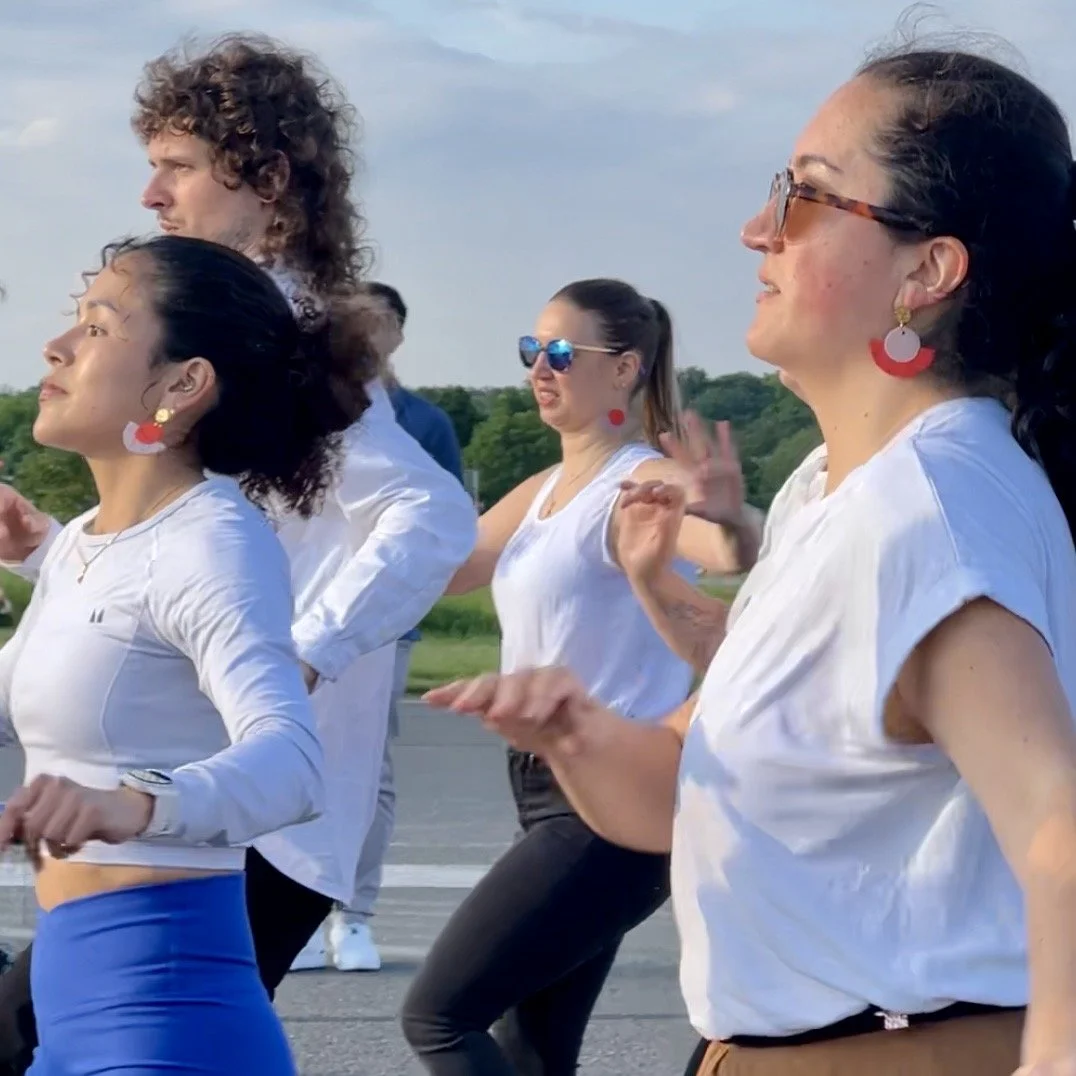
And then came the Carnival.
A few years ago, we probably would have never imagined seeing such a large group dancing through the streets of Berlin wearing pieces entirely designed and handmade by us. It felt like a very strange and beautiful mix of pride, joy and connection to home while being far away from it.
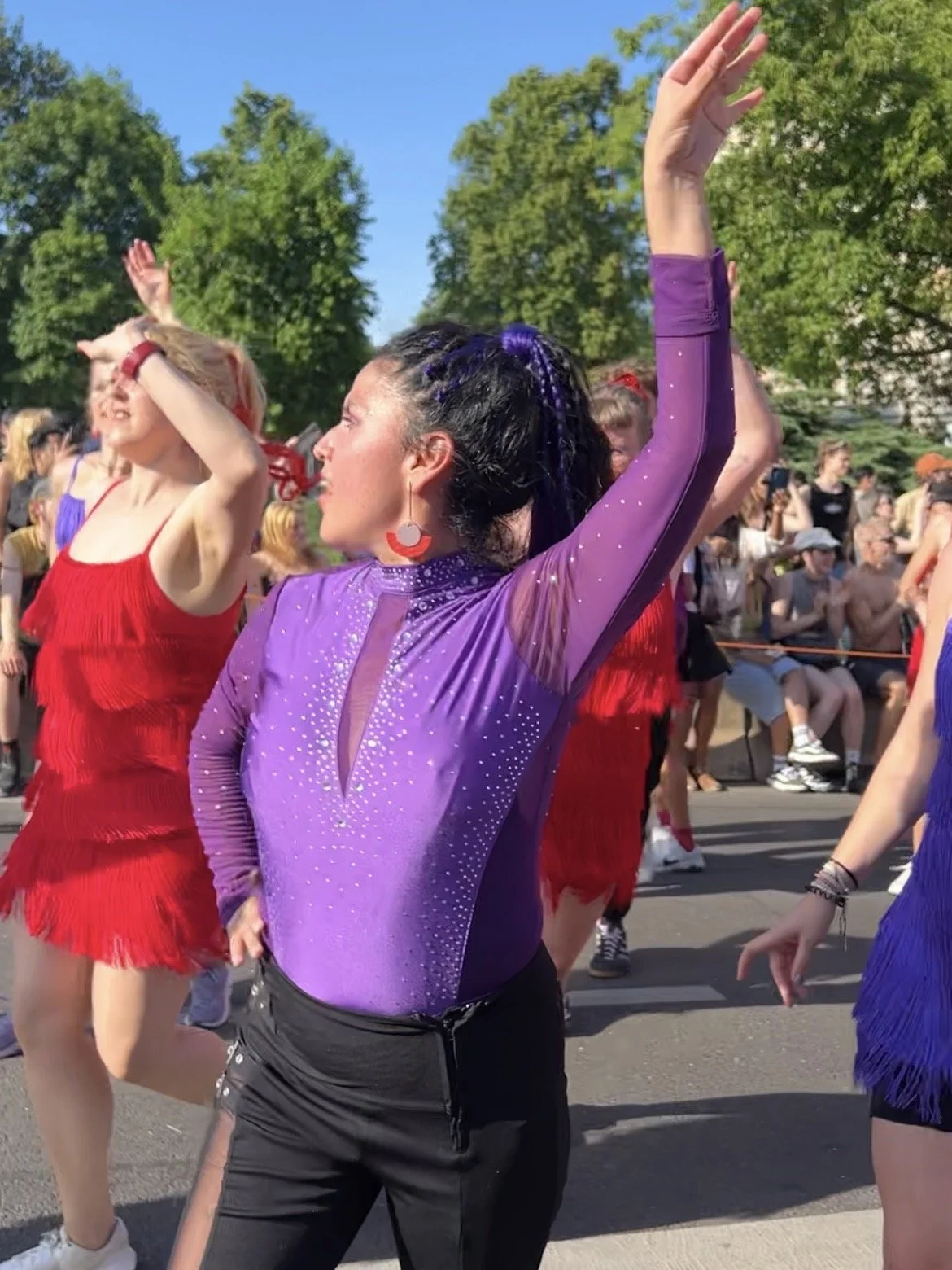
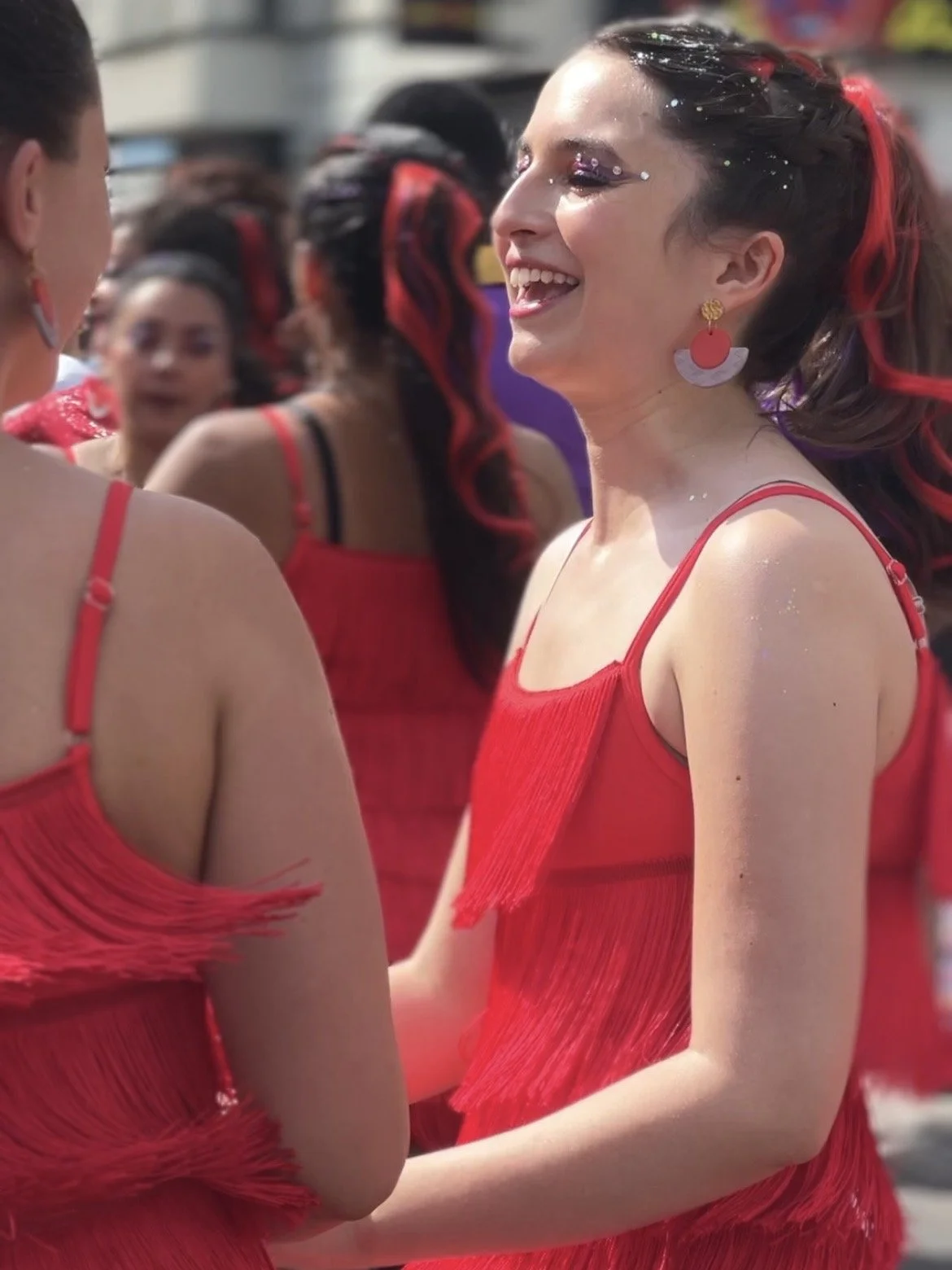
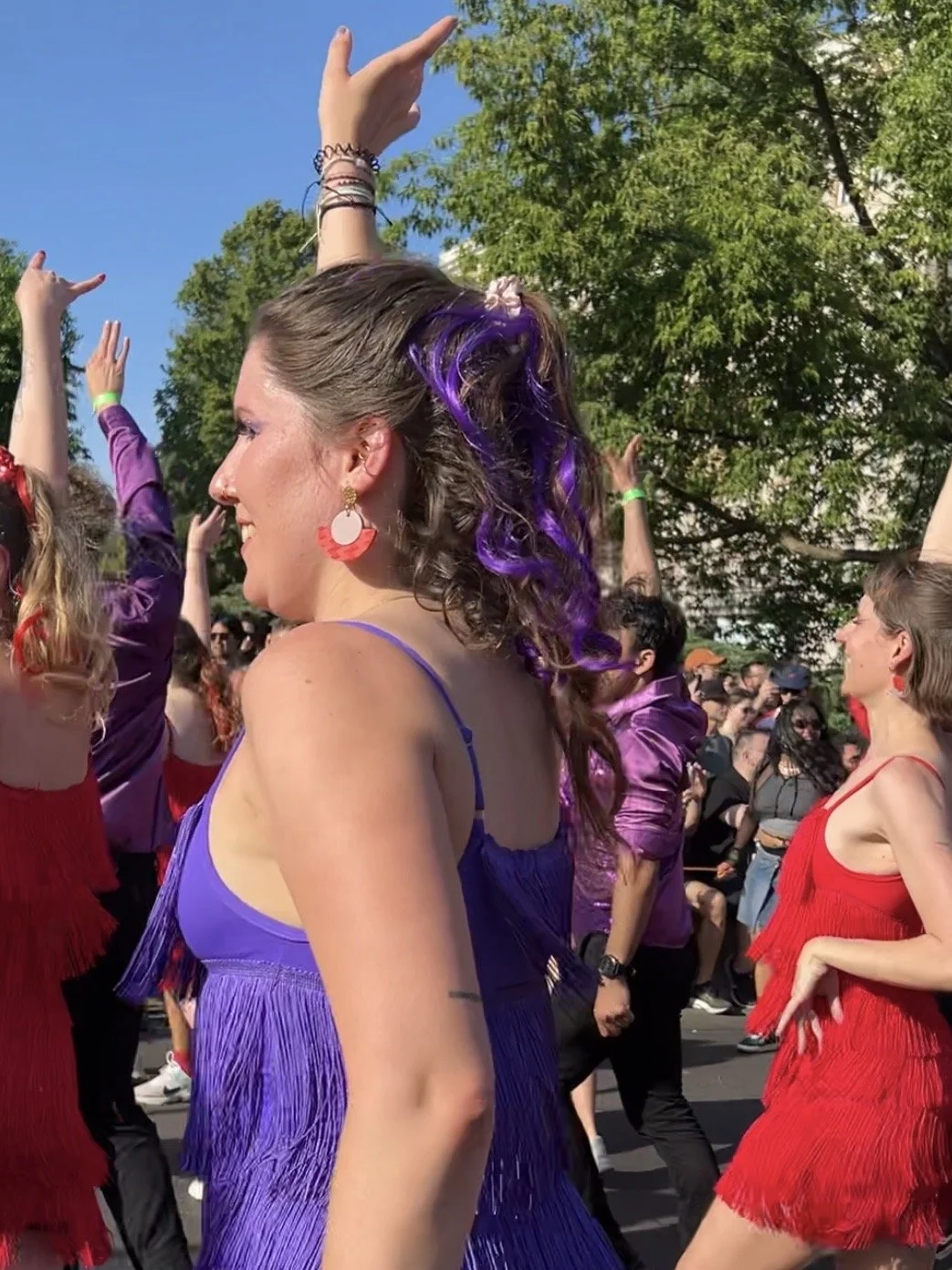
Throughout the whole process, we also started creating small color fragments using the leftover mixes from each production round. What began almost accidentally eventually turned into terrazzo chips and later into a limited series called Carnival Fragments.
A small extension of a project we honestly weren’t ready to let go of yet..
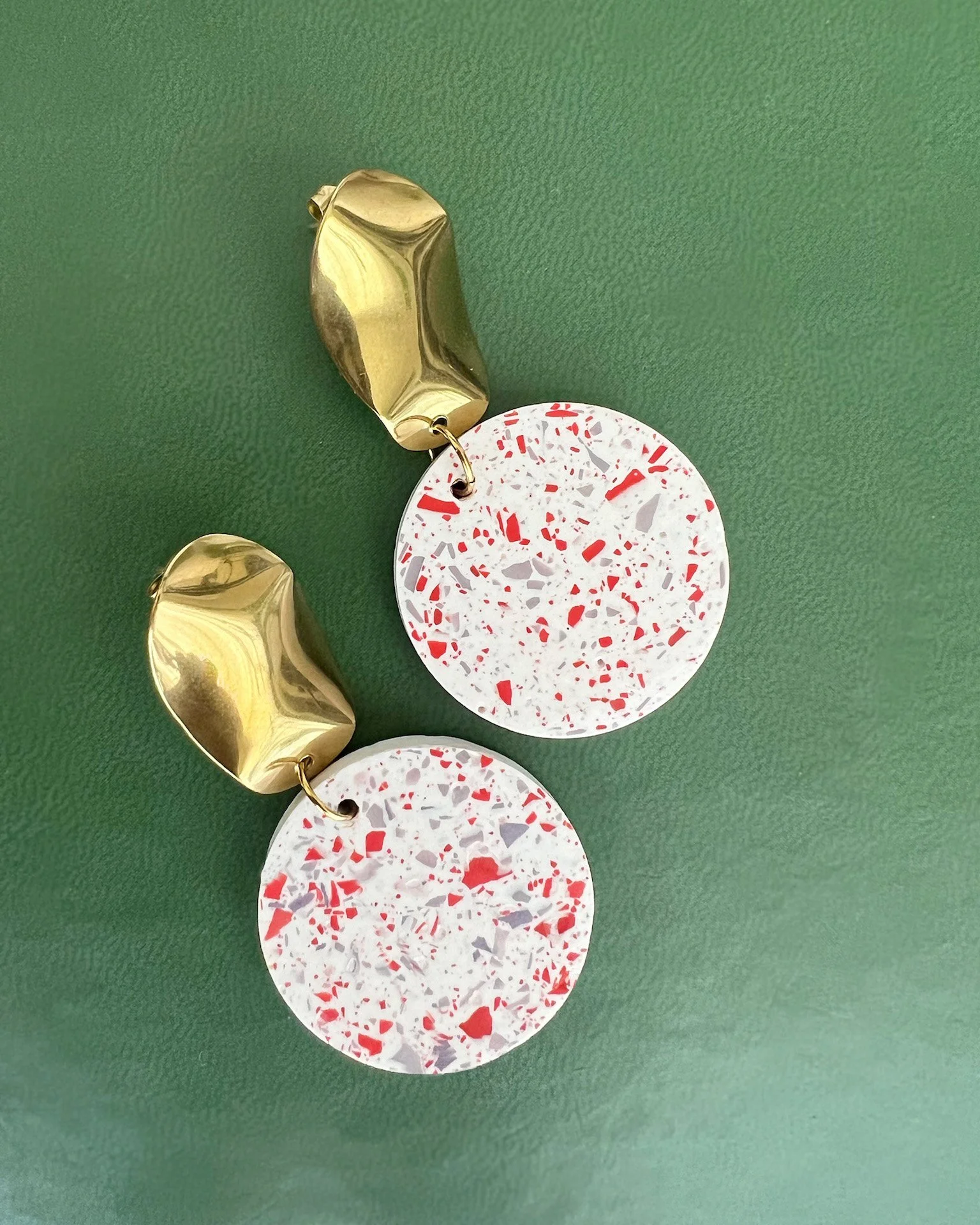
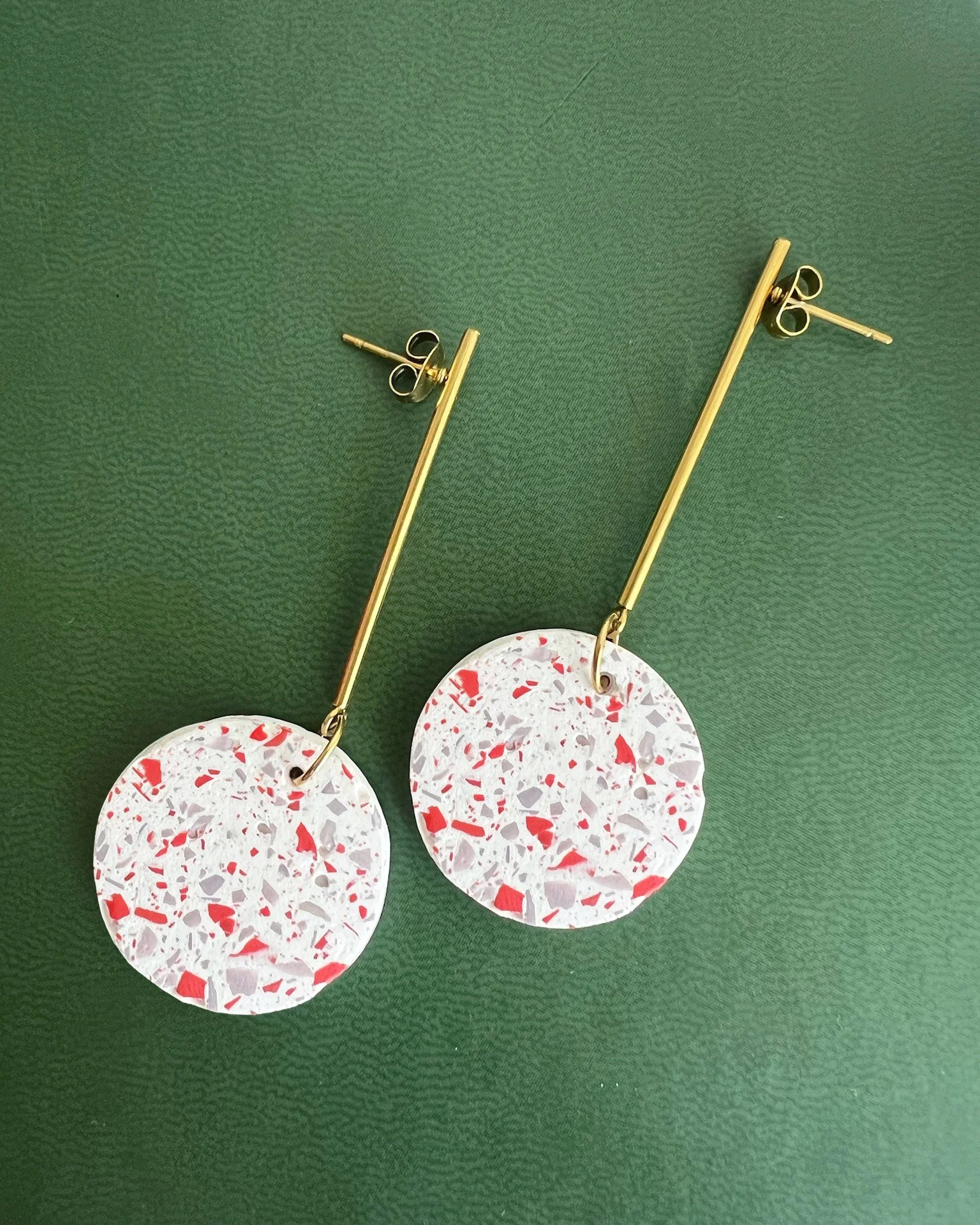
Limited edition earrings created from terrazzo fragments collected throughout our original Carnival project.
Each piece carries traces of the colors, textures and process behind the 80 earrings designed for a dance group representing Colombia at Carnival of Cultures 2026 in Berlin.
